The Charles Drew Community Clinic and Gender Affirming Care
By Kierney Grace
This is part of a series of blog posts written by students in an Elon University First Year Writing course. For the course, students wrote profiles of people, places, and events that contribute to LGBTQ+ life in Alamance County.
There’s often a fear within people seeking gender affirming care when they go to any sort of doctor. Will they be nice? Will I be able to get the care I need? What if they refuse to treat me? This struggle to find somewhere to receive proper care isn’t something people should ever have to go through; it goes against the very nature of having doctors who care for people. Thankfully, here in Alamance County, the Charles Drew Community Clinic and its staff are working on fixing that.
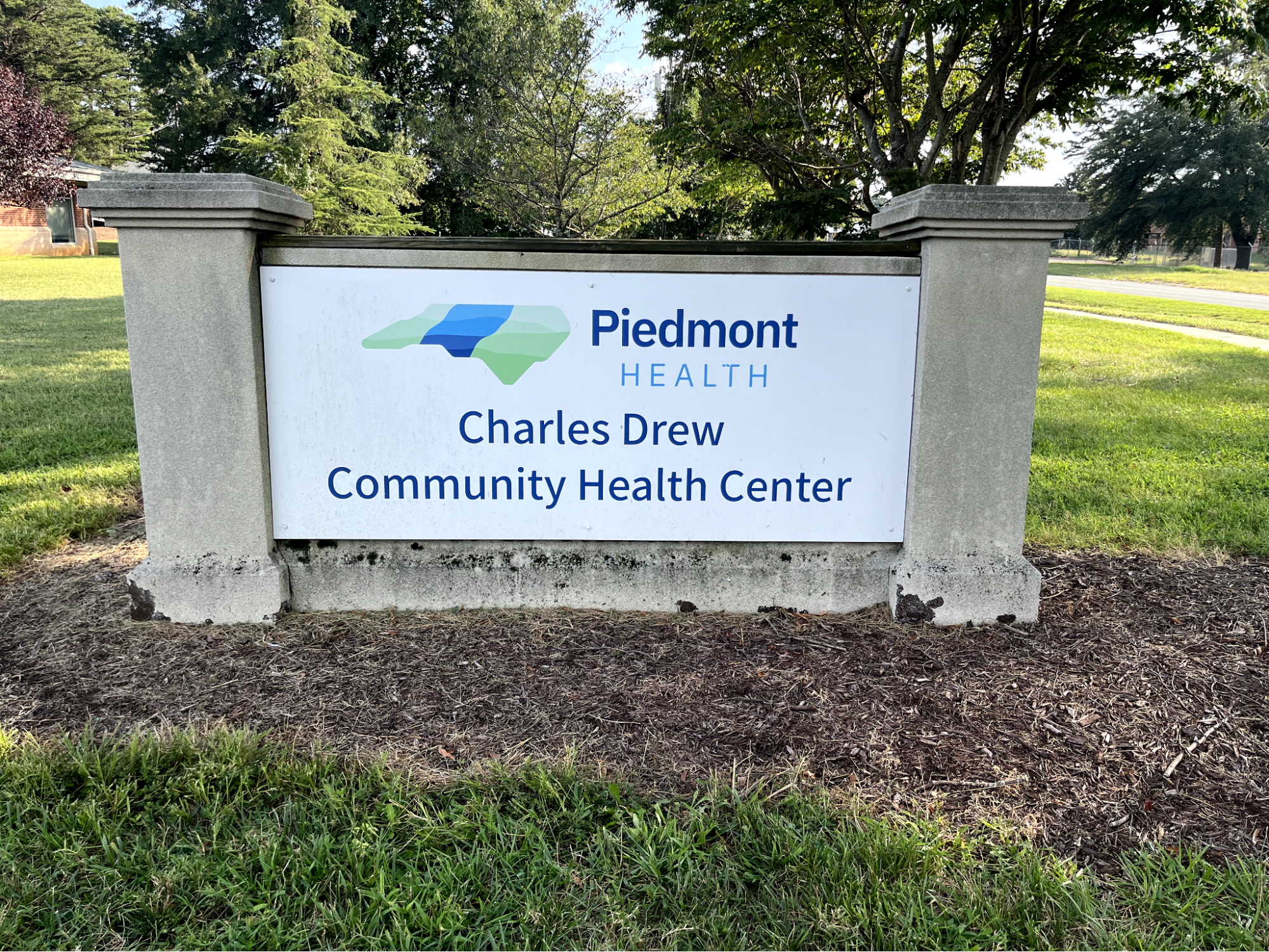
The Charles Drew Community Health Center of Piedmont Health
“We want patients to be able to get hormone therapy at your family doctor.” Said Jessica Rubio, a clinician who has been working at the Charles Drew Community Clinic for 13 years. Rubio is a family nurse practitioner, similar to a family doctor. Her job is to provide a basic level of care for people of all ages. One of the more important forms of care she is able to provide is gender affirming care for people over the age of 18.
Gender affirming care is important to make people feel secure and happy in their bodies. There is no reason to keep someone from seeking such care should they choose so. In fact, the original decision to provide gender affirming care came from the staff itself.
“We wanted to make sure that it was something accessible to the community. We wanted to make sure that an important part of health was included.” Rubio said.
Rubio isn’t able to provide any form of surgery; patients have to go to a specialized doctor for that. She is, however, able to provide hormone therapy to patients who are seeking it. Hormone therapy includes estrogen and testosterone.
“Affirming [patients] gender is something we all strive to do and provide.”
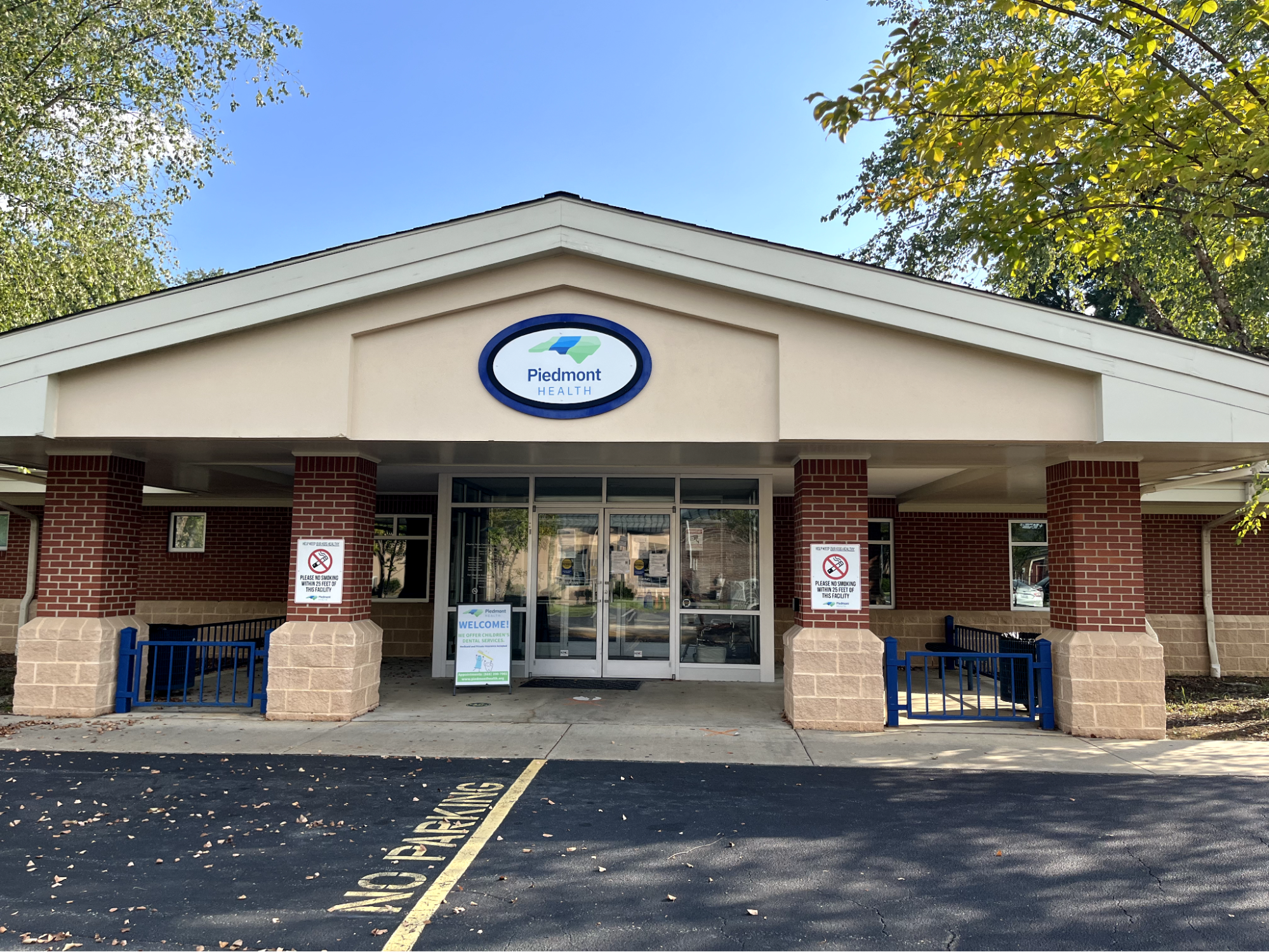
This type of basic gender affirming care is something that practitioners at the Charles Drew Community Clinic are able to do to support the members of Alamance County. Further, providers there can refer people for surgery and help connect them to that part of their care. Rubio noted that “all our providers here believe in gender affirming hormone therapy being incorporated into primary care, so [patients] don't have to just see me.”
However, right now, there is some fear surrounding the continuation of gender affirming care, especially in regard to the more LGBTQ hostile political environment we find ourselves living in. Recently, the federal government has tried pulling federal funding from clinics that provide important gender affirming care, forcing many of the staff working in these clinics to halt their jobs as medical professionals in order to continue operating and helping whoever they can.
“We get federal funding, Rubio explained during a phone interview. “But, if at some point if our major funding was threatened, I don't know that we would be able to continue prescribing hormones.”
In spite of this political pressure, Rubio wishes to provide gender affirming care to her patients as long as she can. Rubio and all the staff at Charles Drew Community Clinic hope to continue supporting their patients and make it known that they are a safe place to go to get the care you need, hormone therapy or otherwise.
Because that’s what doctors should do: provide the care people need to feel happy and healthy.